Building the business. And the team.
Six years building a business in Mexico, learning across a global company, and developing a team that could lead without me.
Starting in Mexico
I joined in November 2016 as the first employee in Mexico, initially as Director of Business Development and later as Country Manager.
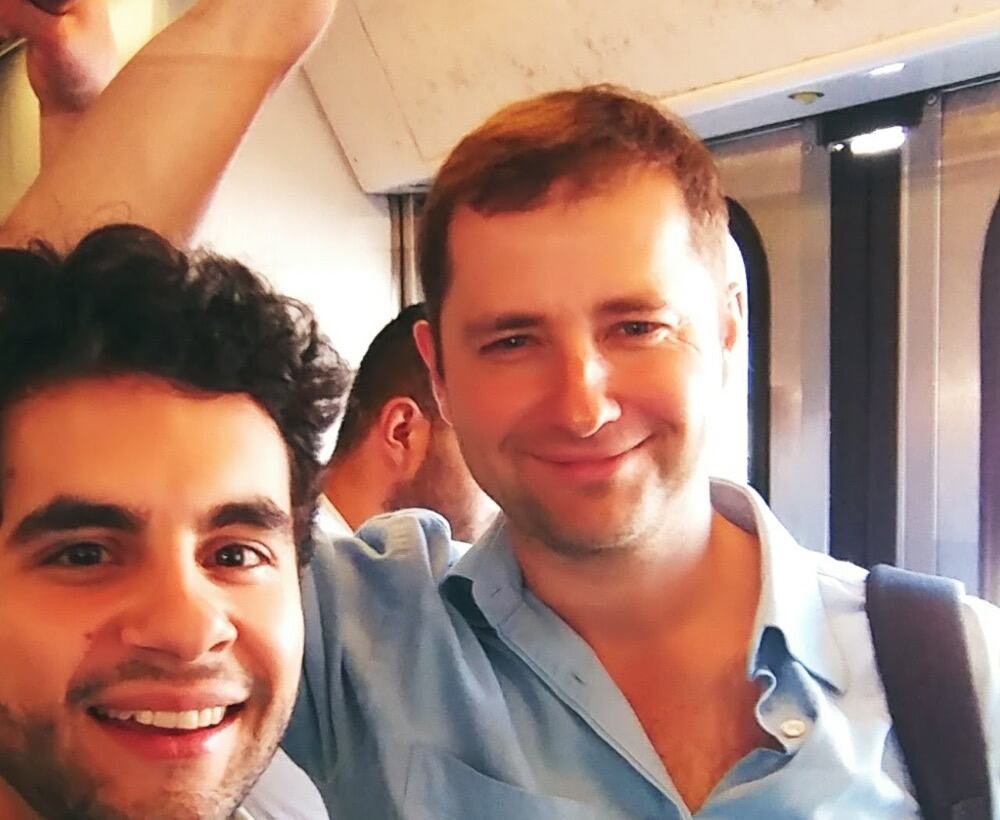
It began on a Monday. Pedro hired me, and by Friday at noon he was already flying back to Moscow. A half-Spanish, half-Russian mentor assured me that my salary would arrive every month from Russia, from rubles to pesos through PayPal. I believed him, took the risk, and started working without stopping for the years that followed.
We had the global app and back office; our job was to adapt them to Mexico and build the local business around them. We started in a single office at WeWork, growing from just me to around seven people in the first year. As space became too expensive and too small, I found our next office, negotiated the lease, sourced furniture, and coordinated the move. Building the business included making these everyday things work.
Understanding the service
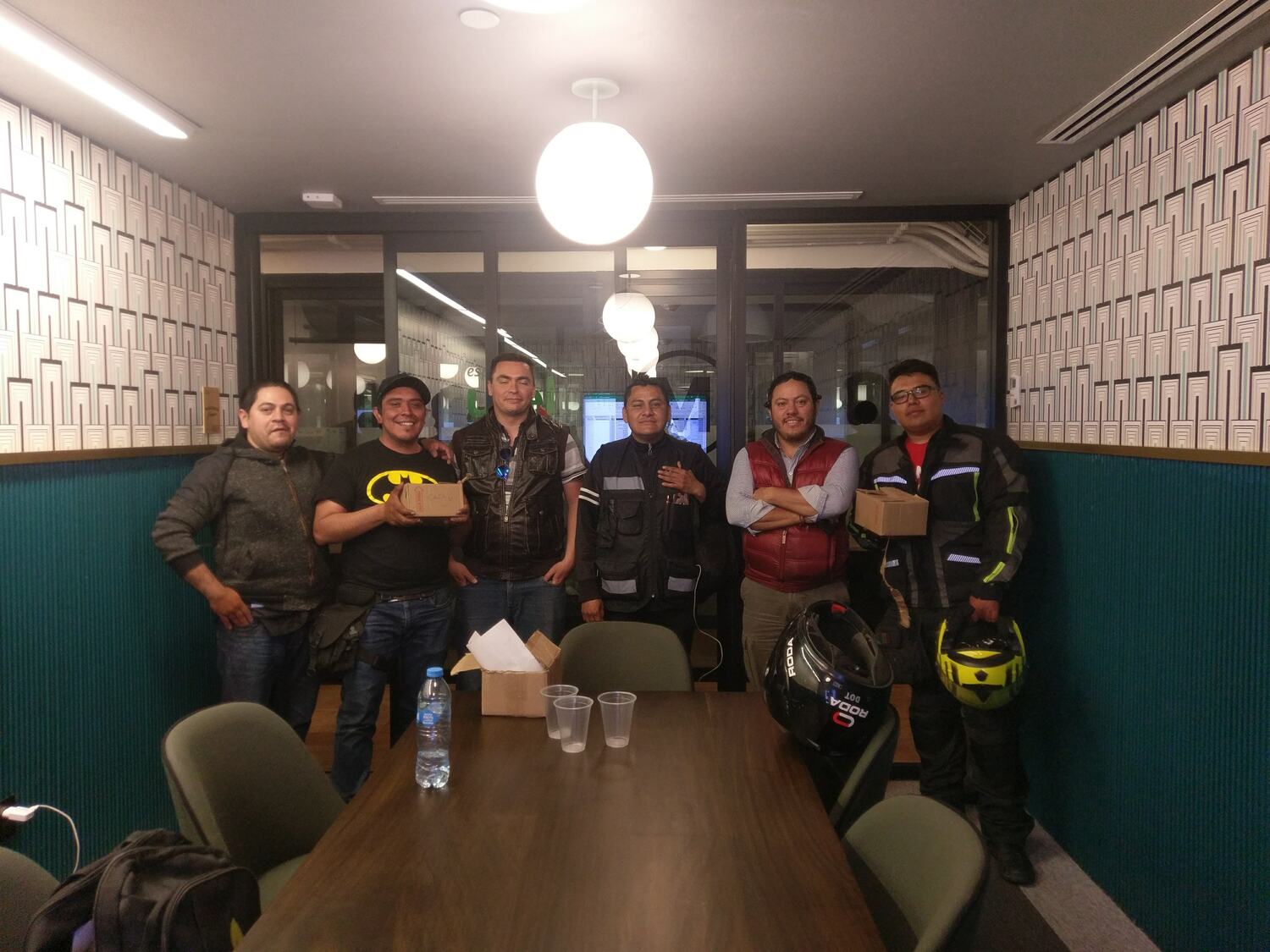
When I asked Pedro what I should do now, his answer was: work and figure it out. So I went out on delivery routes to understand how the system worked and what customers experienced. Those visits revealed that customers used several delivery services, and that someone receiving a package could also become a customer who sent one.
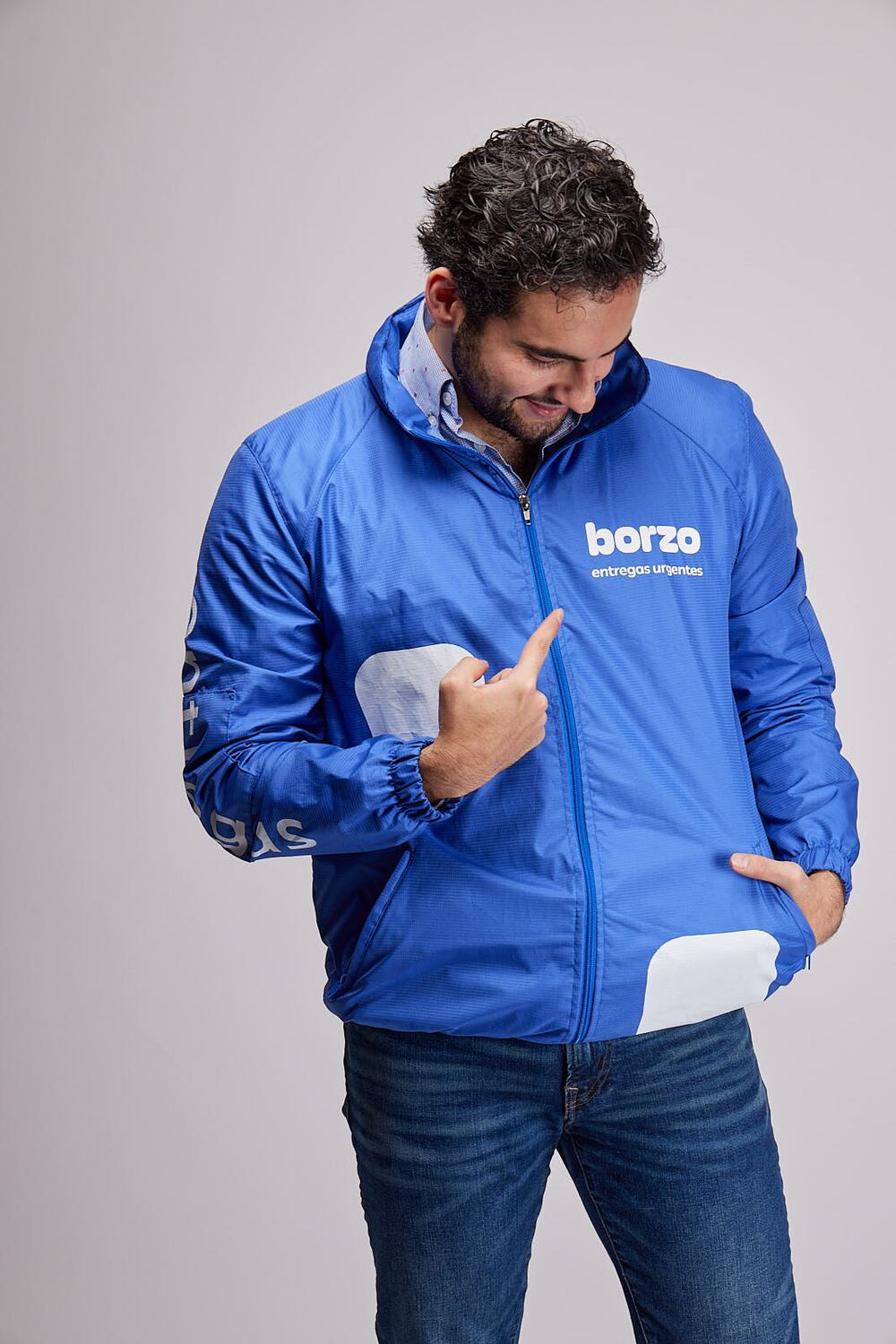
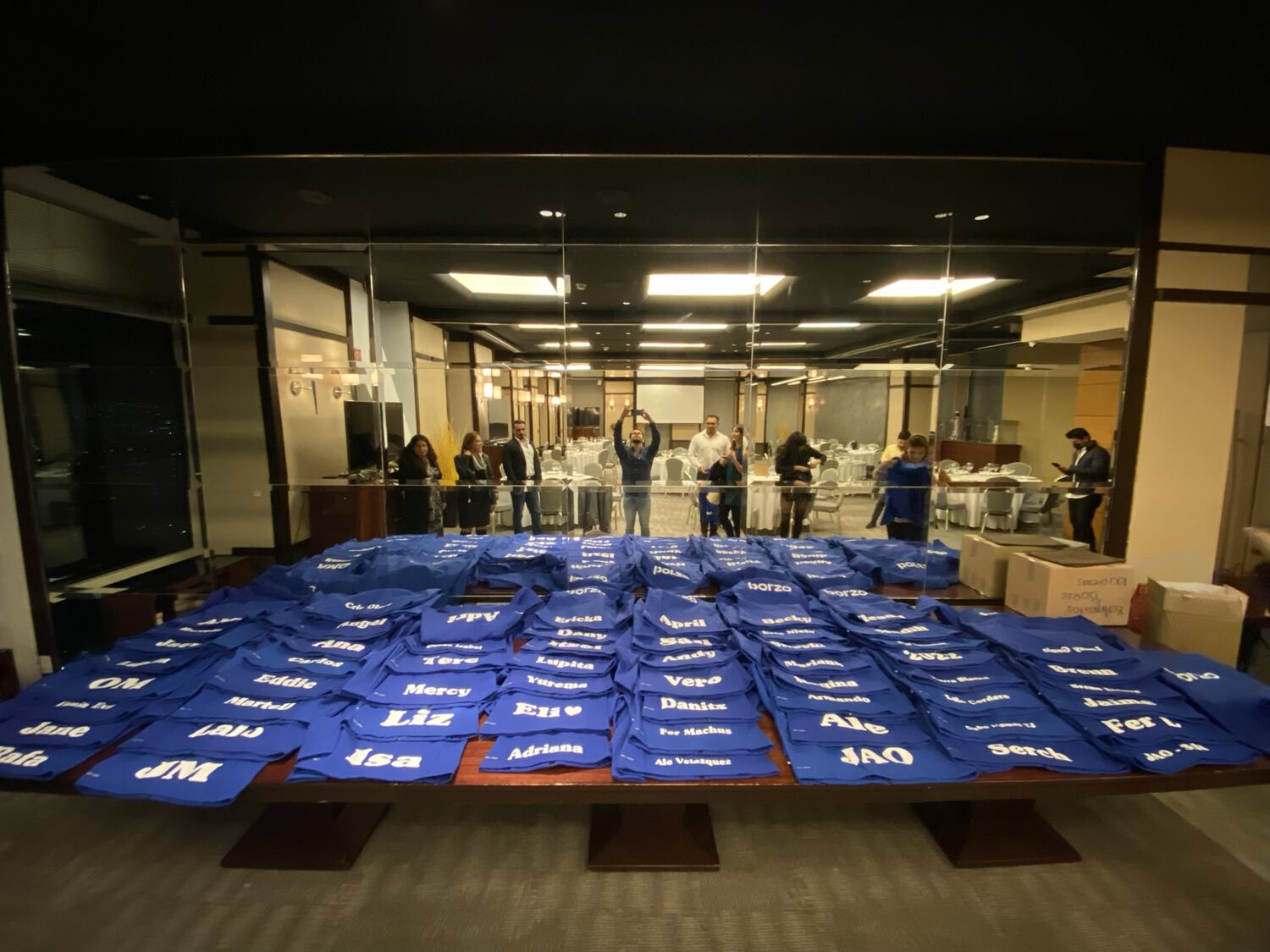
Every new employee spent their first day on the street as a courier, then shared the experience through photos, videos, and a post on the company’s global blog. On day two, the team gathered to hear their stories and share our own. Understanding the operation was part of joining the company.
Working across countries
Leading Mexico meant working with headquarters, country managers, and C-level colleagues across cultures and time zones. Mexico was one of the few countries that never gave headquarters reasons to complain. I understood quickly that what they needed was transparency and clarity, and that gave me the freedom to focus. That is what any global company wants from a country operation, and it is how I learned to build.
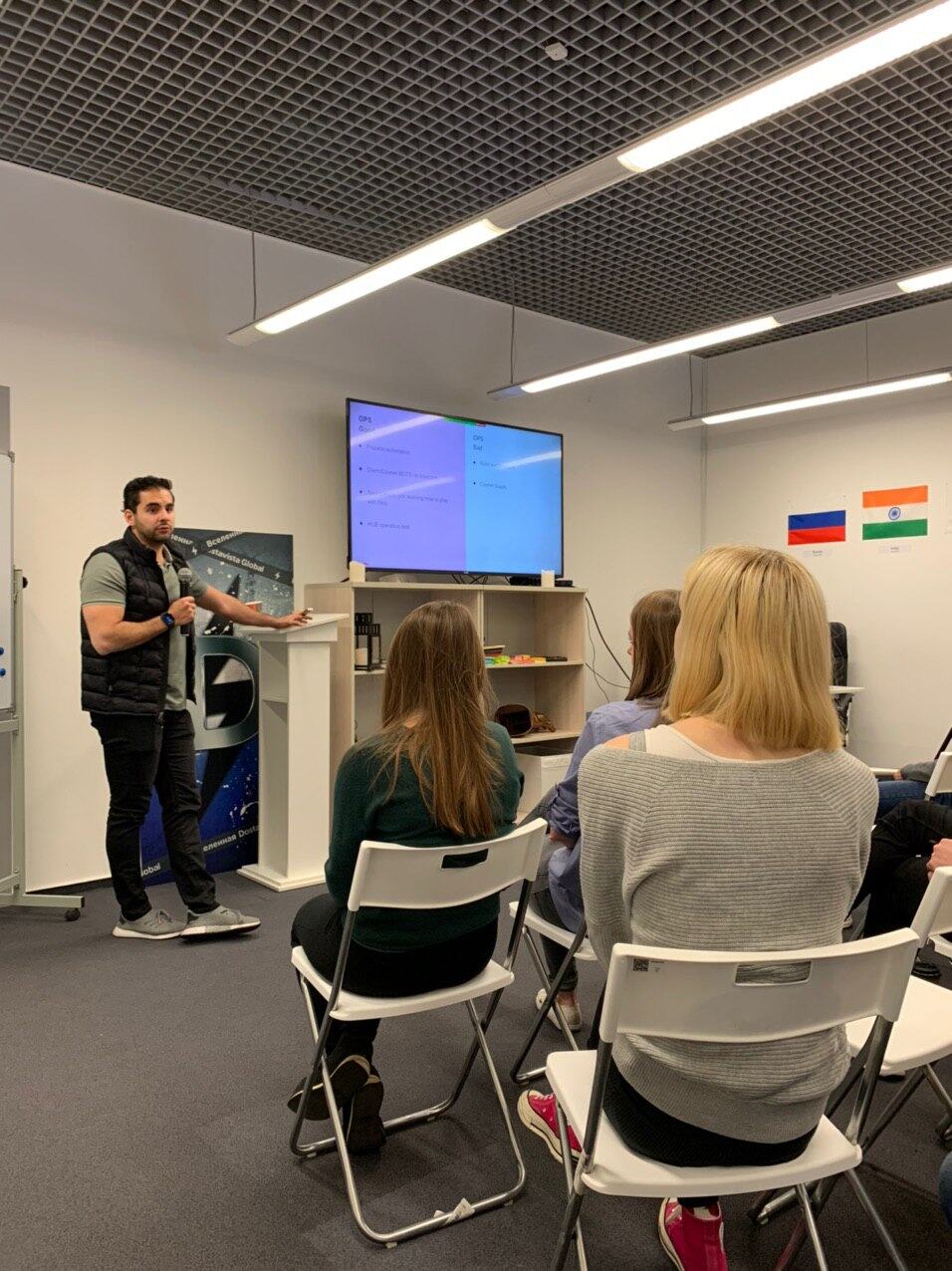
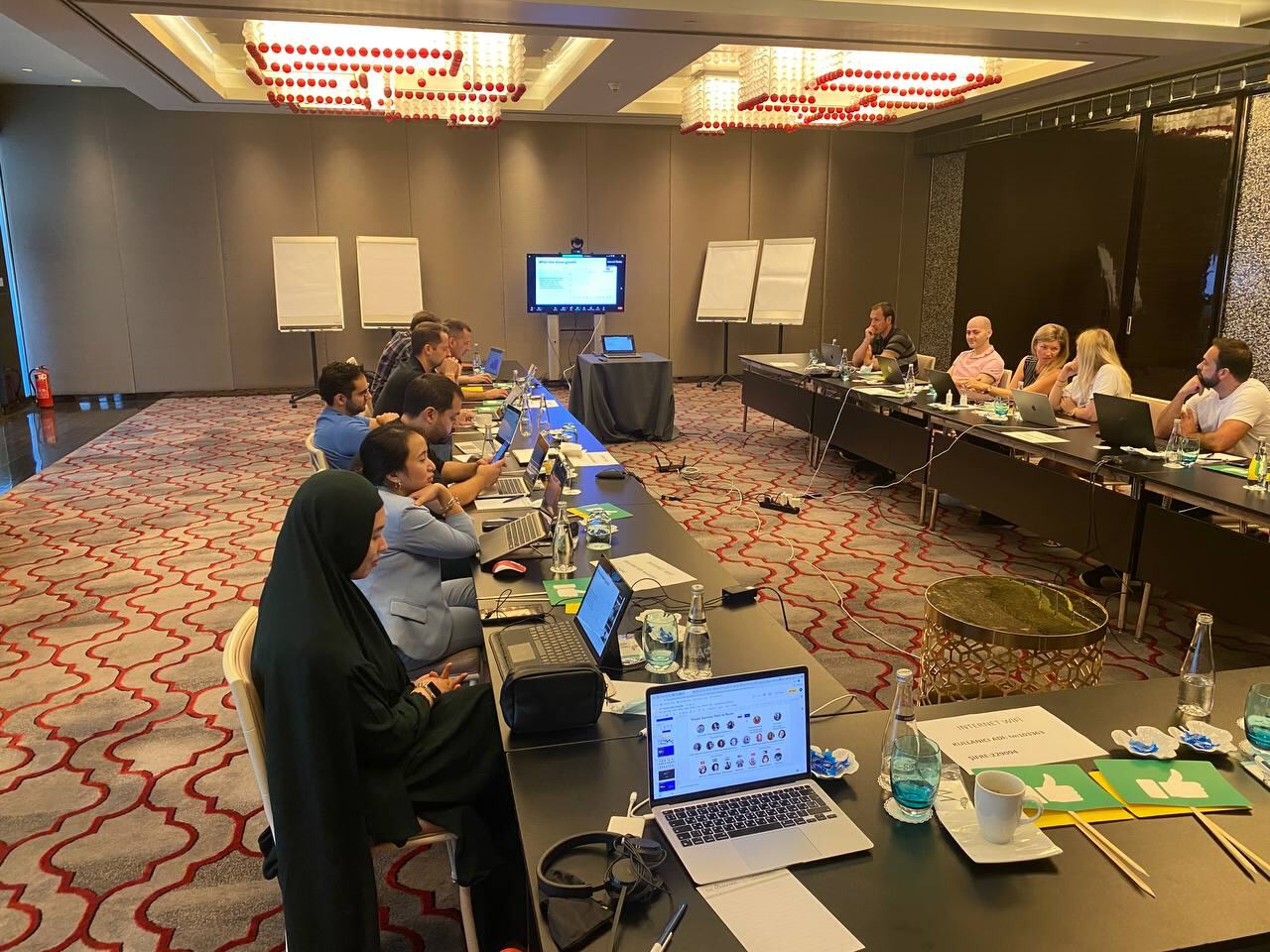
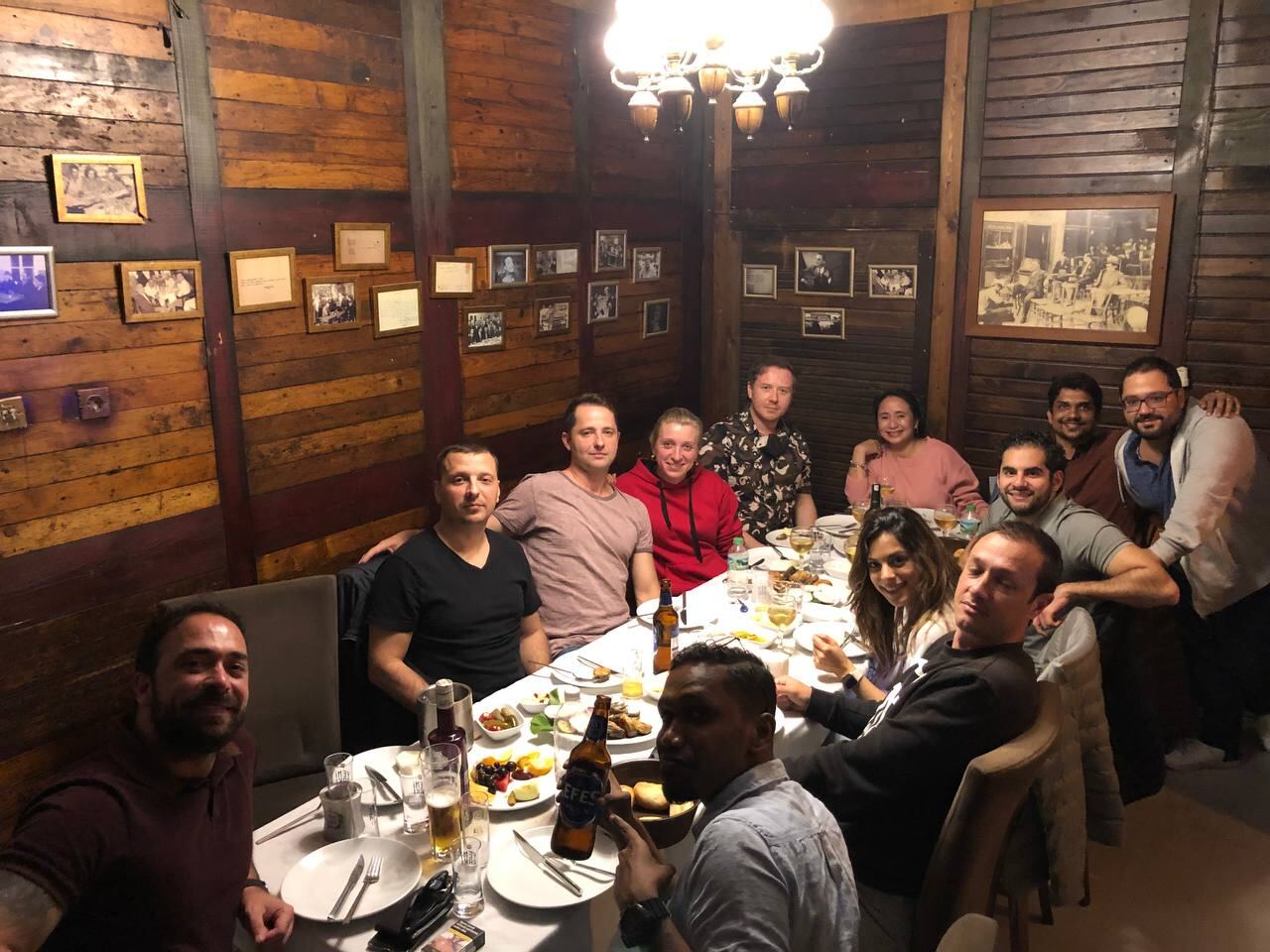
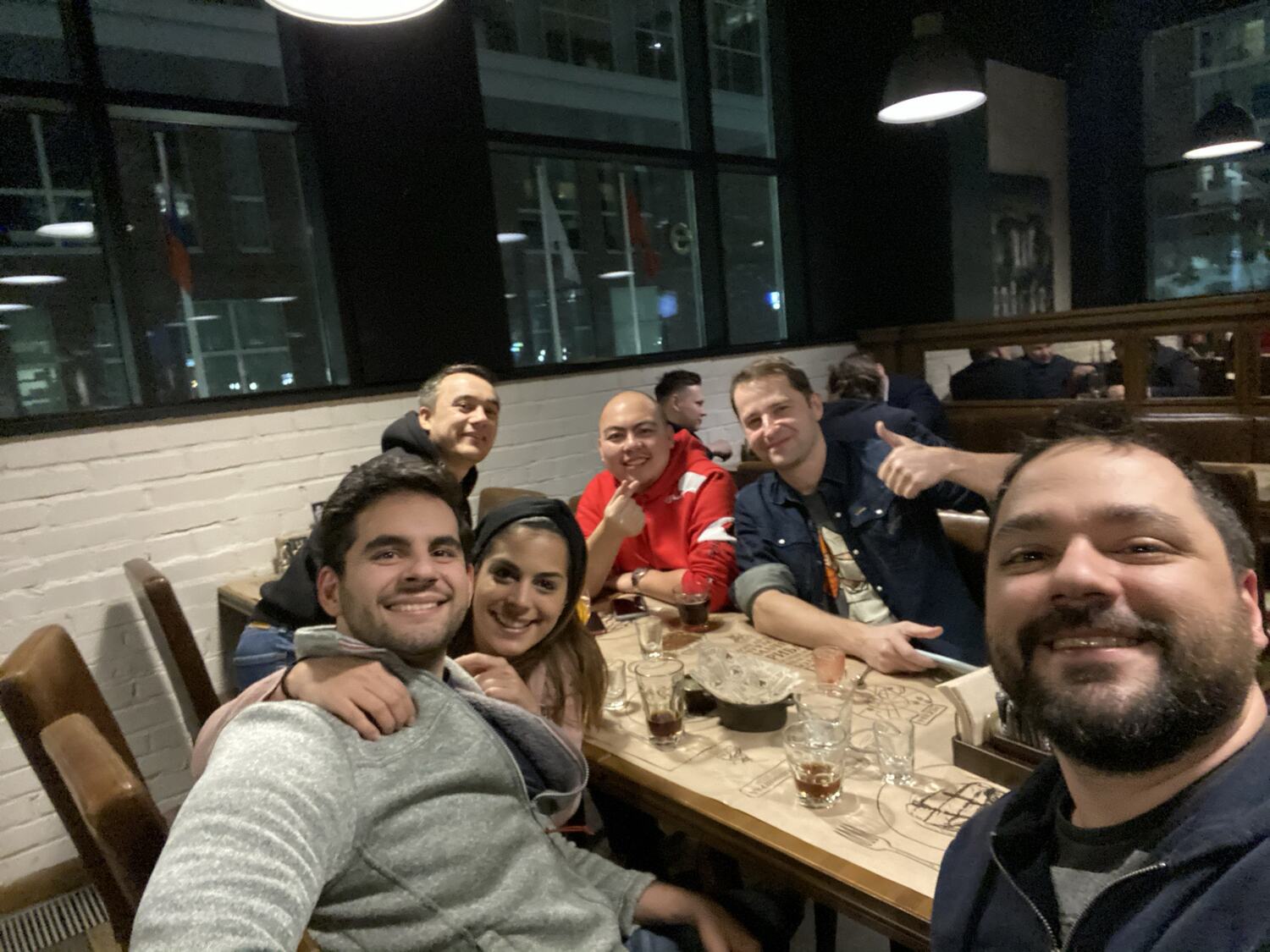
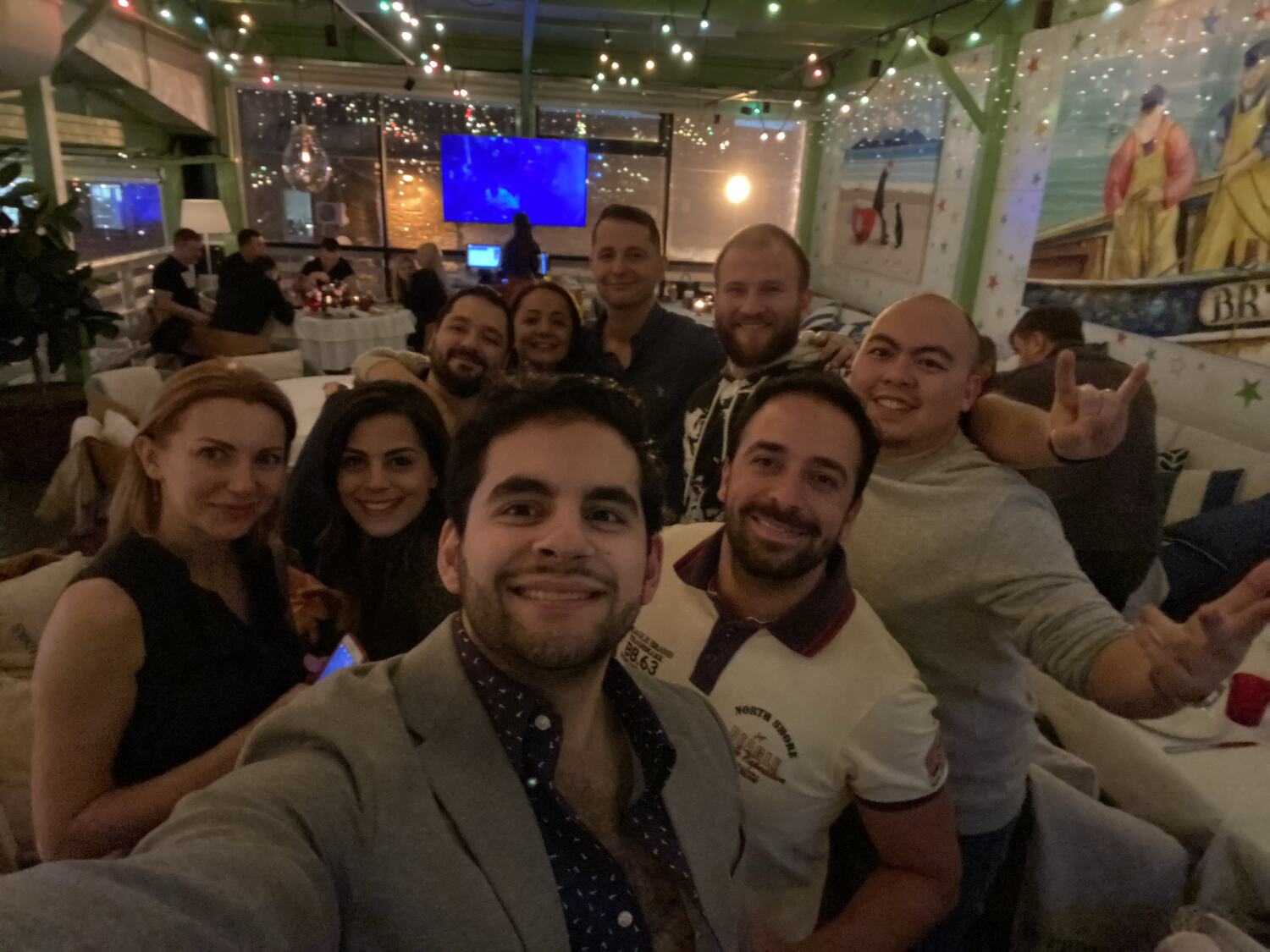
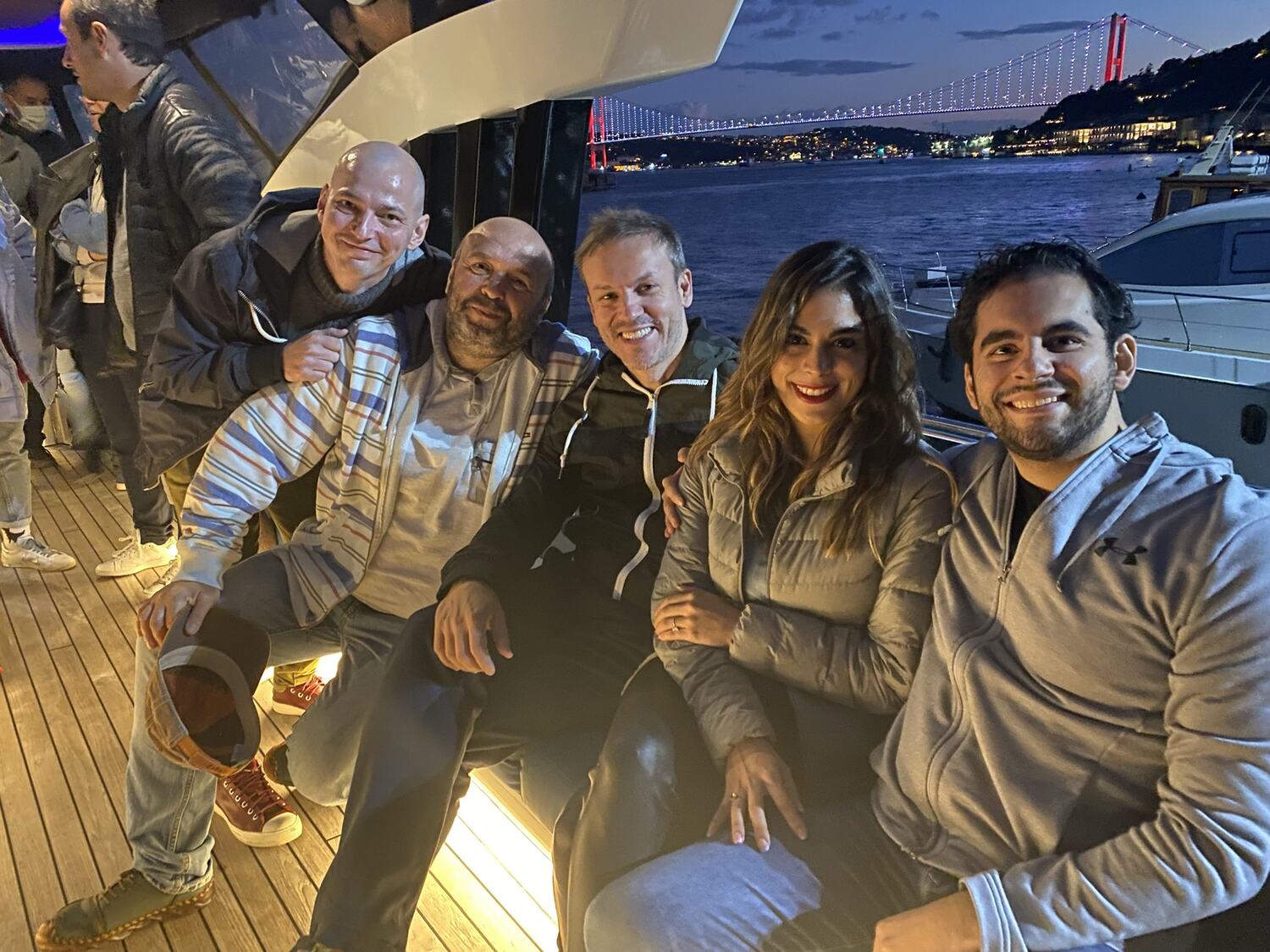
At global offsites, we presented country results, reviewed global OKRs, and worked through workshops together. We had to connect the realities of our own markets with the direction of the wider company.
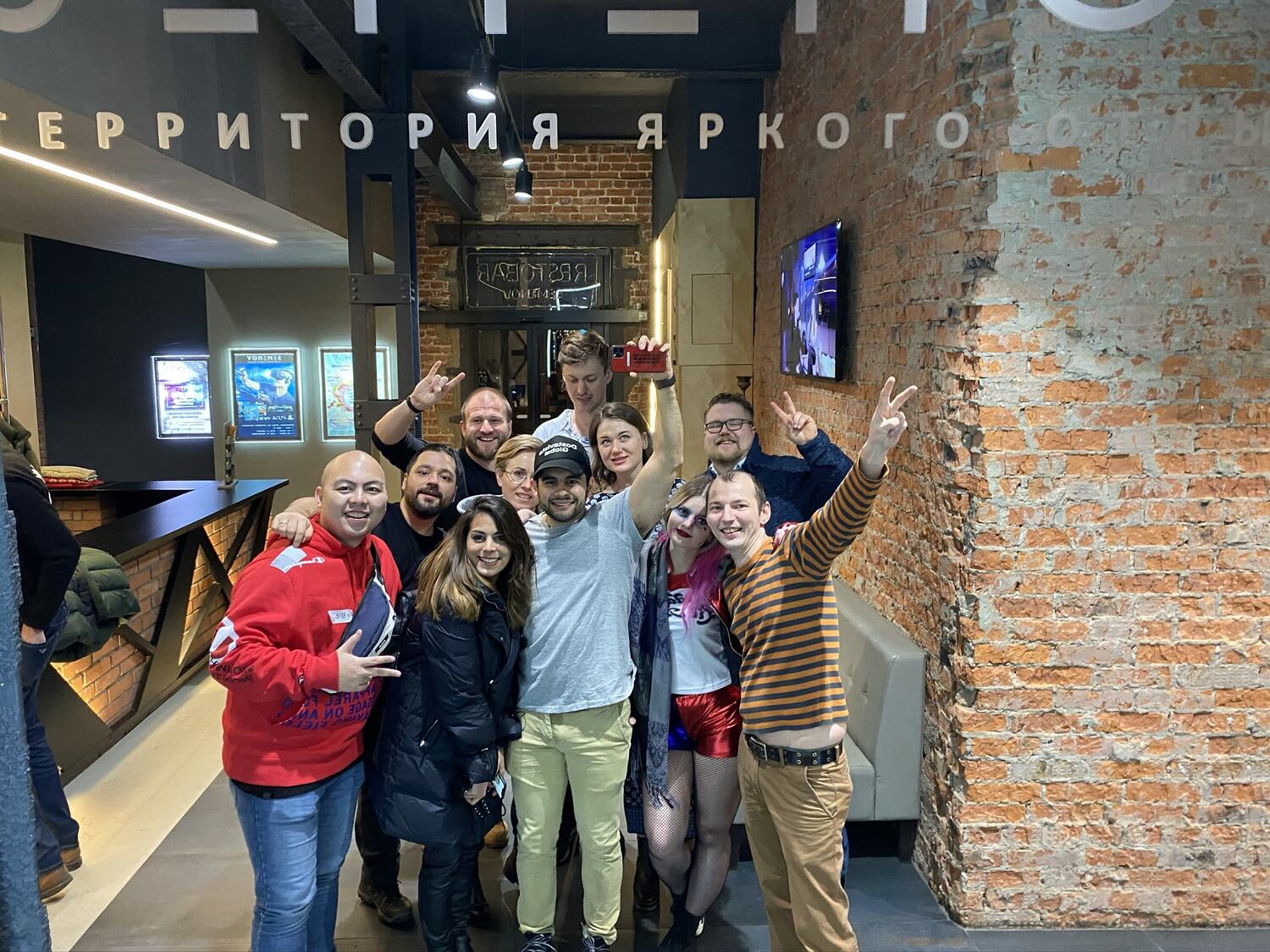
Visiting the offices in Russia also shaped how I thought about culture at our workplace in Mexico. Today an open-plan office is normal; in 2016 and 2017 it was very much a startup idea. Direct conversations, open doors, and spaces to work together or take a break were what we brought home.
Bringing that approach to Mexico
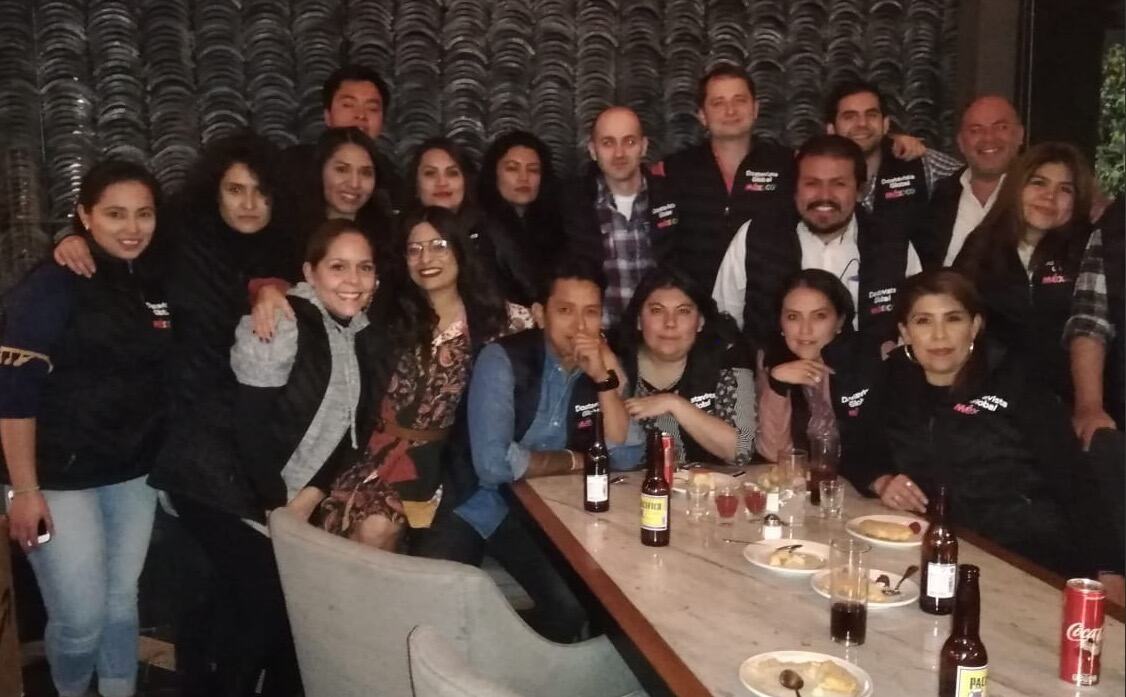
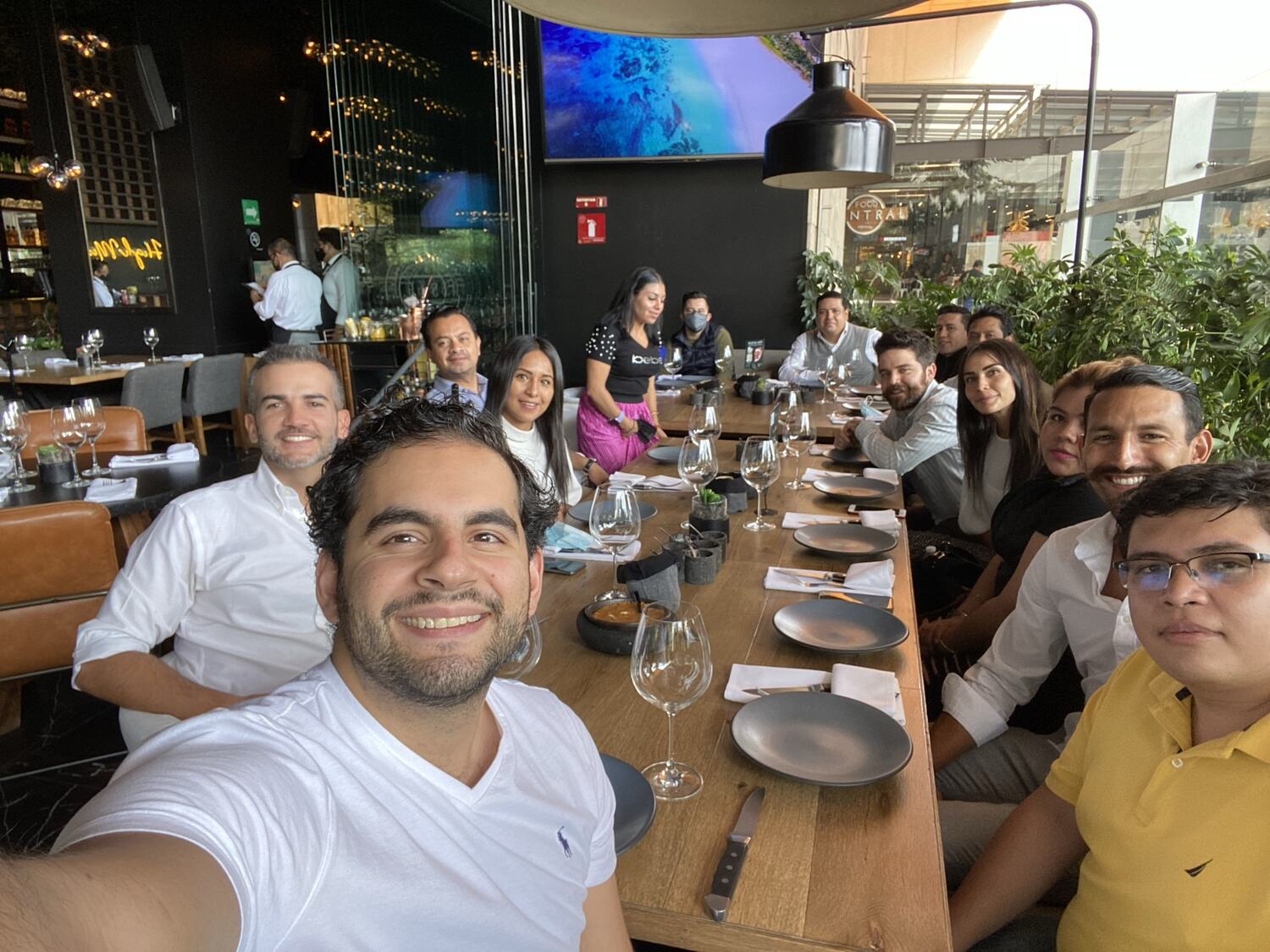
In Mexico, our leadership offsites brought together city managers and colleagues from finance, sales, product, and operations. Company OKRs connected to indicators for each area and individual goals, with regular reviews of results. Roles that allowed it had flexible hours; operational roles had schedules.
Culture was the thread. I delegated responsibility and worked alongside people until they were ready to own it. Finance reporting to Russia became our finance lead’s responsibility. I also helped colleagues build the skills and confidence to communicate in English. We made mistakes visible and solved them together; over time, the team resolved more issues without needing me.
Growing also meant letting people go, or supporting them when they left. Some people joined, grew, and moved on, and that was not a bad outcome.
Growing through COVID
During COVID, remote work itself was familiar. Almost nobody grew during that time, but logistics did, and so did we. The harder challenge was growing quickly and bringing new colleagues into the culture without meeting in person. Daily check-ins helped us resolve issues together.
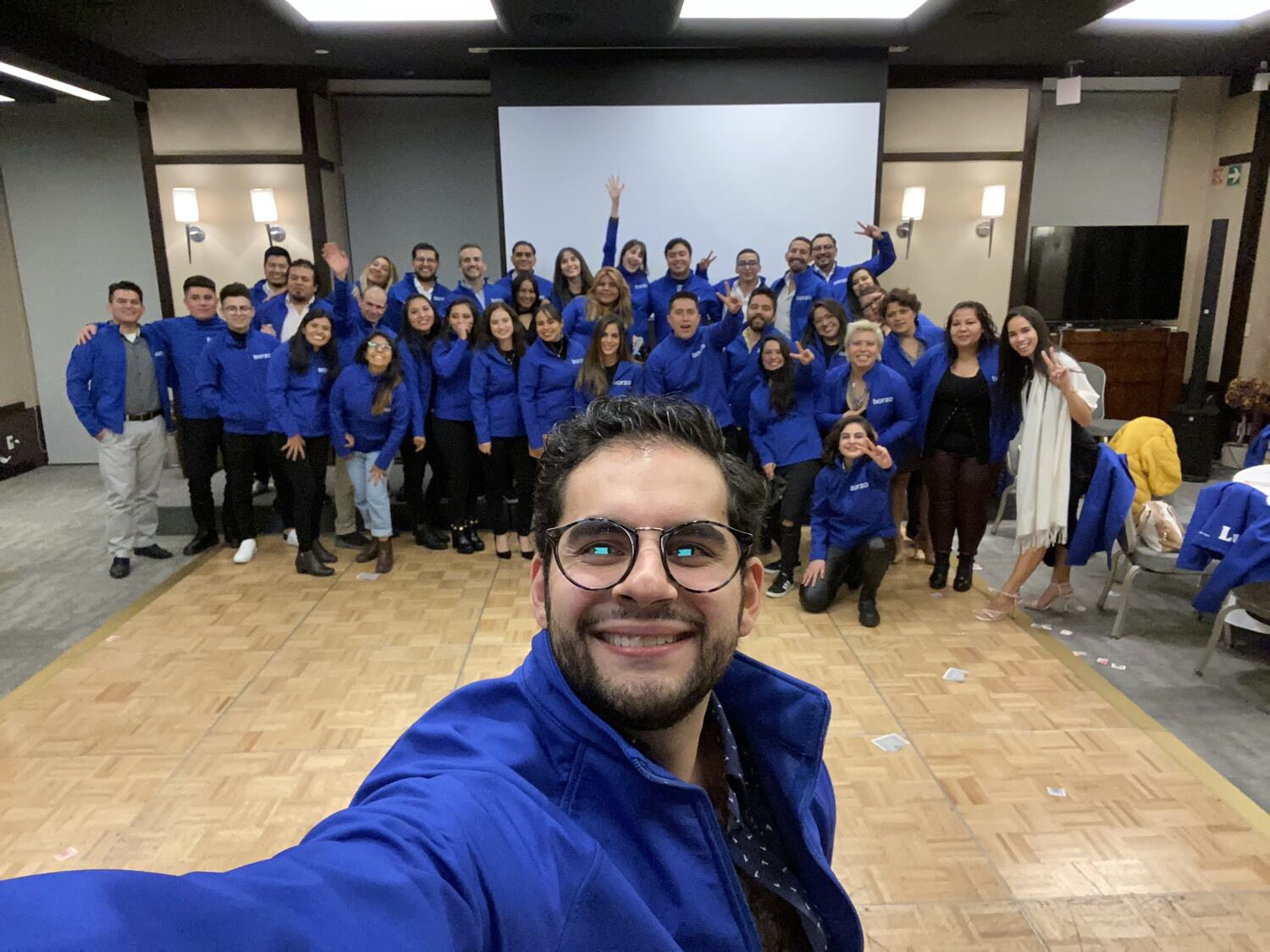
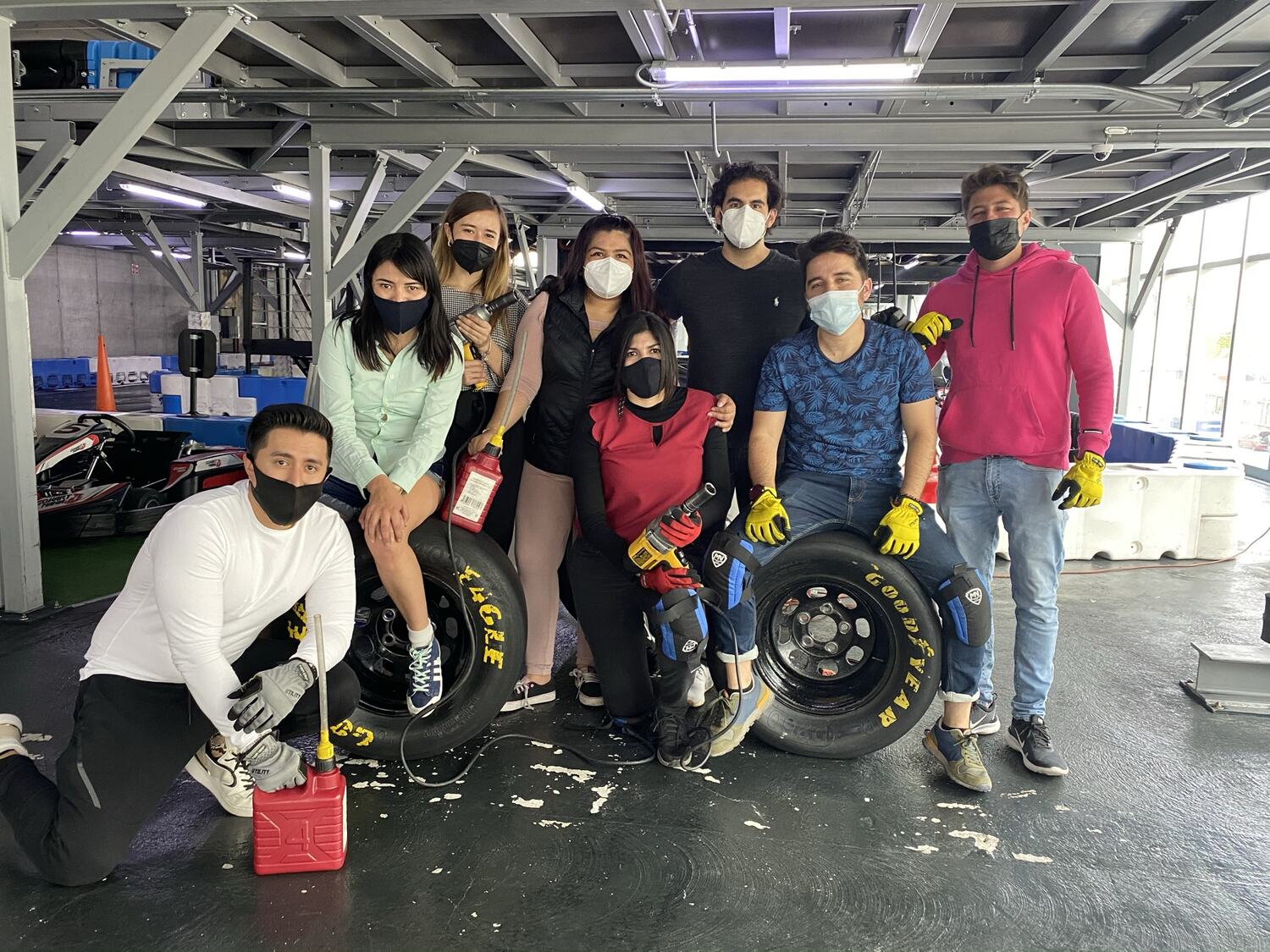
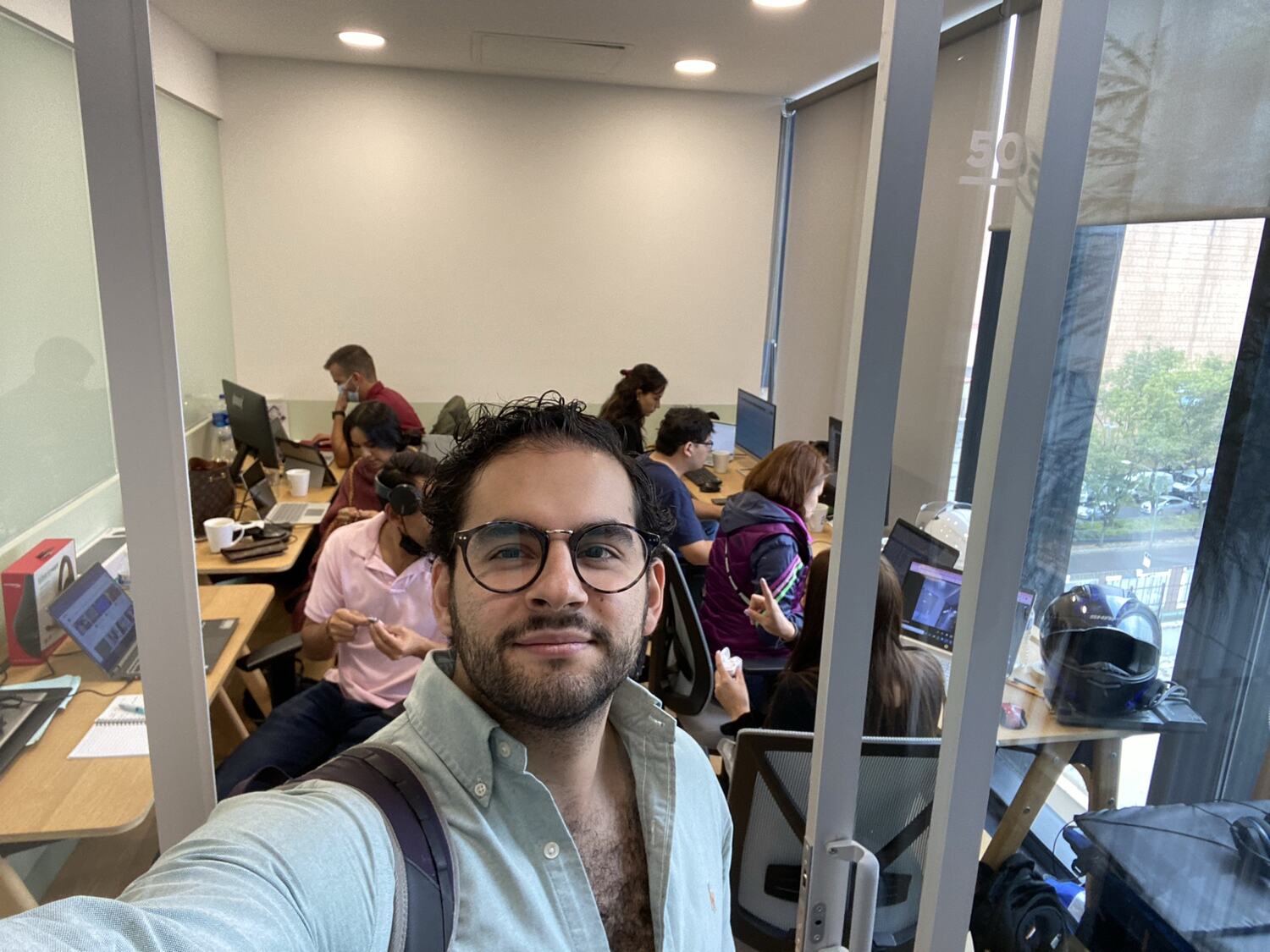
When we could meet again, teams held smaller offsites. The sales gathering mattered especially: around 80% of the team was new, and they had not met one another. Building those relationships was part of helping the team work together.
An independent operation
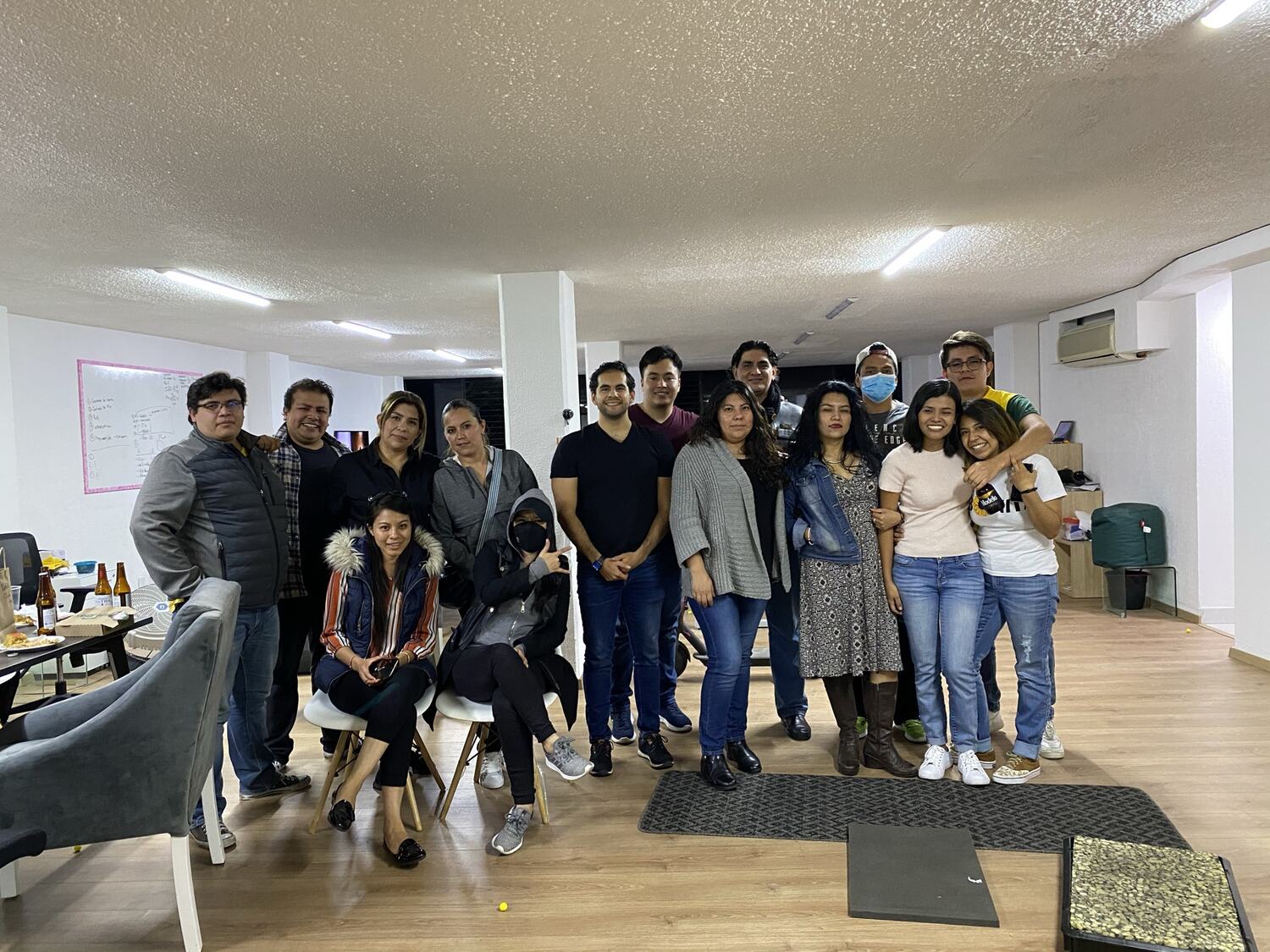
After five years leading operations, I stepped away in November 2022, leaving a profitable, cash-flow-positive business and a team capable of running it independently. I remained its legal representative through December 2024.
For me, that autonomy was one of the clearest results of the work: people understood the business, took responsibility, and helped one another make decisions.
Selected coverage & interviews
- El Financiero · 31 August 2021
Leading Borzo’s Mexico operation ↗
Contemporary coverage identifying me as the head of Mexico, alongside the global rebrand and a local commercial partnership.
Spanish - Chilango · 11 June 2020
Helping local businesses reach their customers ↗
An interview about Dostavista’s collaboration with Chilango during the pandemic.
Spanish - El Sol de México · 30 September 2020
Discussing the delivery business ↗
A published interview and podcast page on delivery services and the market in Mexico.
Spanish · Article & podcast - Mexico Business News · 1 February 2022
The future of last-mile delivery ↗
Interview on consolidating five global brands into one app, hiring locally, and how expanding to Guadalajara differs from Mexico City.
English - T21 · 13 July 2022
Five points to consider for last-mile shipments ↗
A signed guest column on what companies should consider when choosing last-mile delivery.
Spanish
What this brings to your business
Entering Mexico brings the global business and the local operation into the same conversation. Through 2122, I bring experience adapting a model to the market, working with headquarters, building commercial relationships, and developing a team with clear responsibilities. The work is to help those pieces function together, so the operation can grow beyond its dependence on one person.
Explore how 2122 can help ↗